
What Does Science Say About Reiki?
What the research tells us
Reiki is considered a complementary health practice. Research has explored its effects on outcomes such as relaxation, anxiety, pain and quality of life, but the evidence remains mixed and researchers have not established a scientific mechanism for Reiki's proposed energy field.
We don't present Reiki as a medical treatment. We offer it as a complementary wellness practice and encourage clients to continue working with their healthcare providers for medical concerns.
What we know about relaxation
The parasympathetic nervous system is involved in rest and recovery.
Relaxation can affect heart rate, breathing and perceived stress.
• Slow breathing, meditation, quiet environments and other relaxation practices can influence how people feel.
What we don’t yet know about Reiki
Researchers haven't established that Reiki's proposed energy field exists or that it produces specific physiological effects. (NCCIH)
Many people experience Reiki sessions as deeply relaxing. Relaxation itself is associated with changes in the body's stress response and with greater parasympathetic activity. Whether Reiki produces these effects through a Reiki-specific mechanism remains an open question.
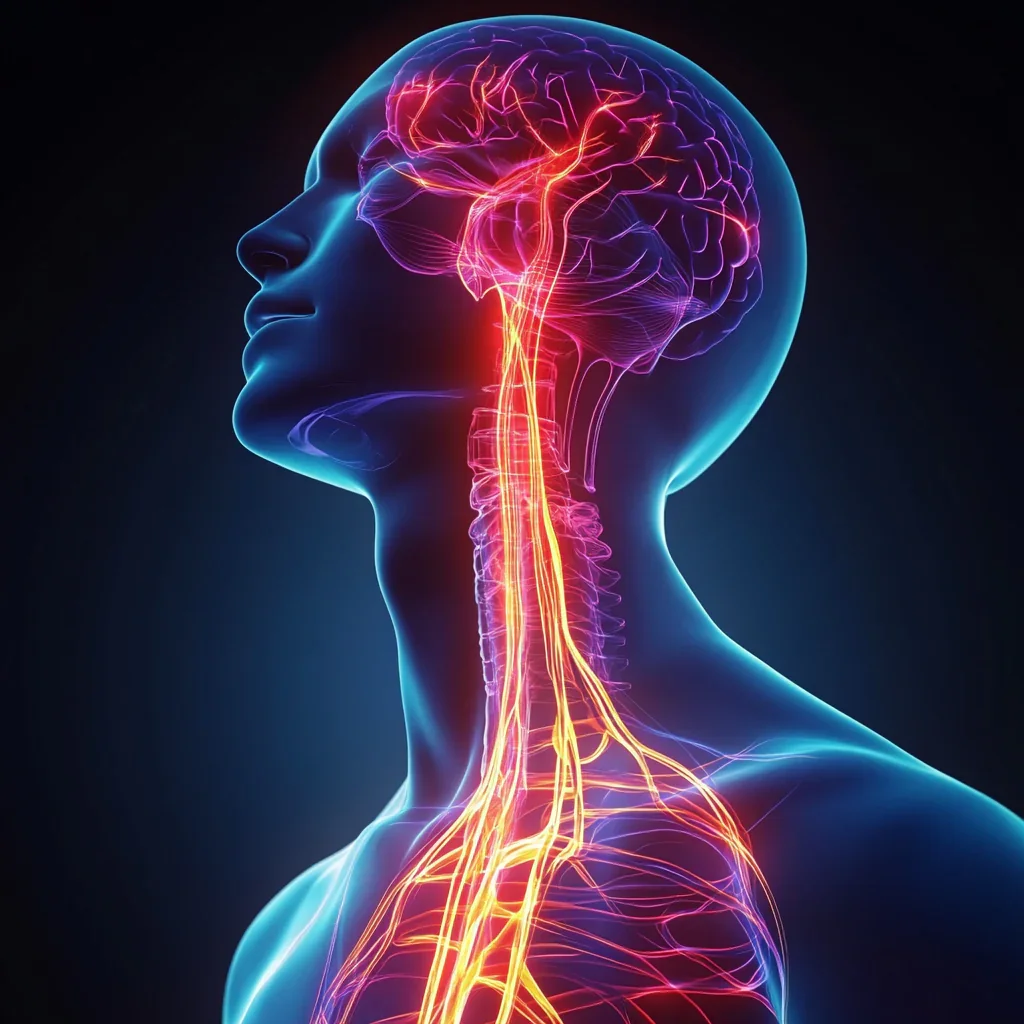
Reiki, Relaxation & the Nervous System
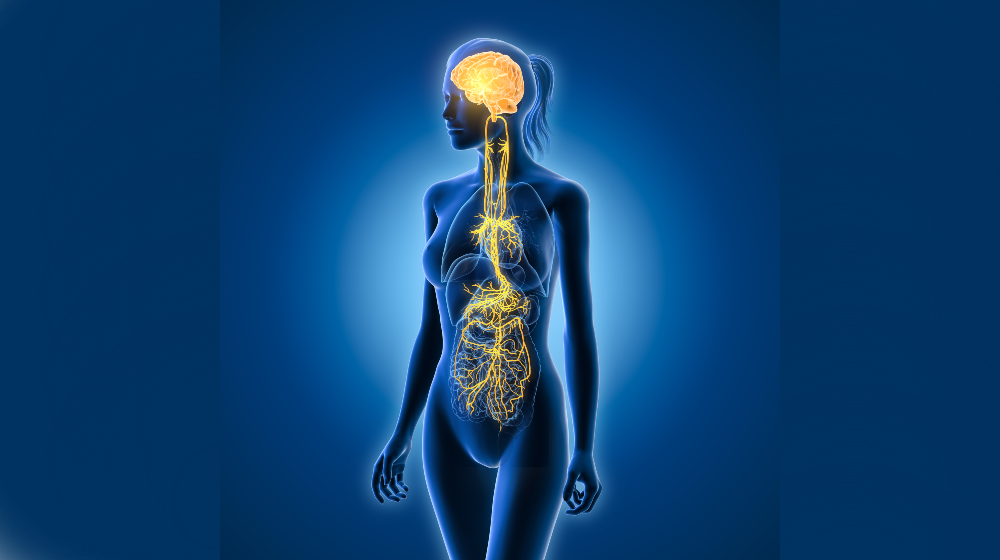
What happens when we relax? What does this have to do with Reiki? A Reiki session often involves lying quietly, slowing down, reducing external stimulation and receiving gentle, non-invasive attention. These aspects of the experience may themselves contribute to relaxation. Research has not established that Reiki specifically activates the vagus nerve or that a Reiki energy field produces these effects.
People may experience warmth, tingling, pulsing, heaviness, lightness or simply a sense of deep relaxation during a session. Experiences vary considerably from person to person, and there is no single sensation that indicates whether a session was ‘successful.’
What science can study: relaxation, stress, anxiety, quality of life, etc.
What science has not established: a Reiki-specific energy field or mechanism.
We believe clients deserve honest information. Reiki has a long tradition and many people find sessions meaningful and deeply relaxing. At the same time, we don't claim that Reiki has been scientifically proven to treat medical conditions or that we know exactly how it works. We invite you to experience Reiki for yourself while continuing to rely on qualified healthcare professionals for medical care.
Images by Magnific- www.magnific.com